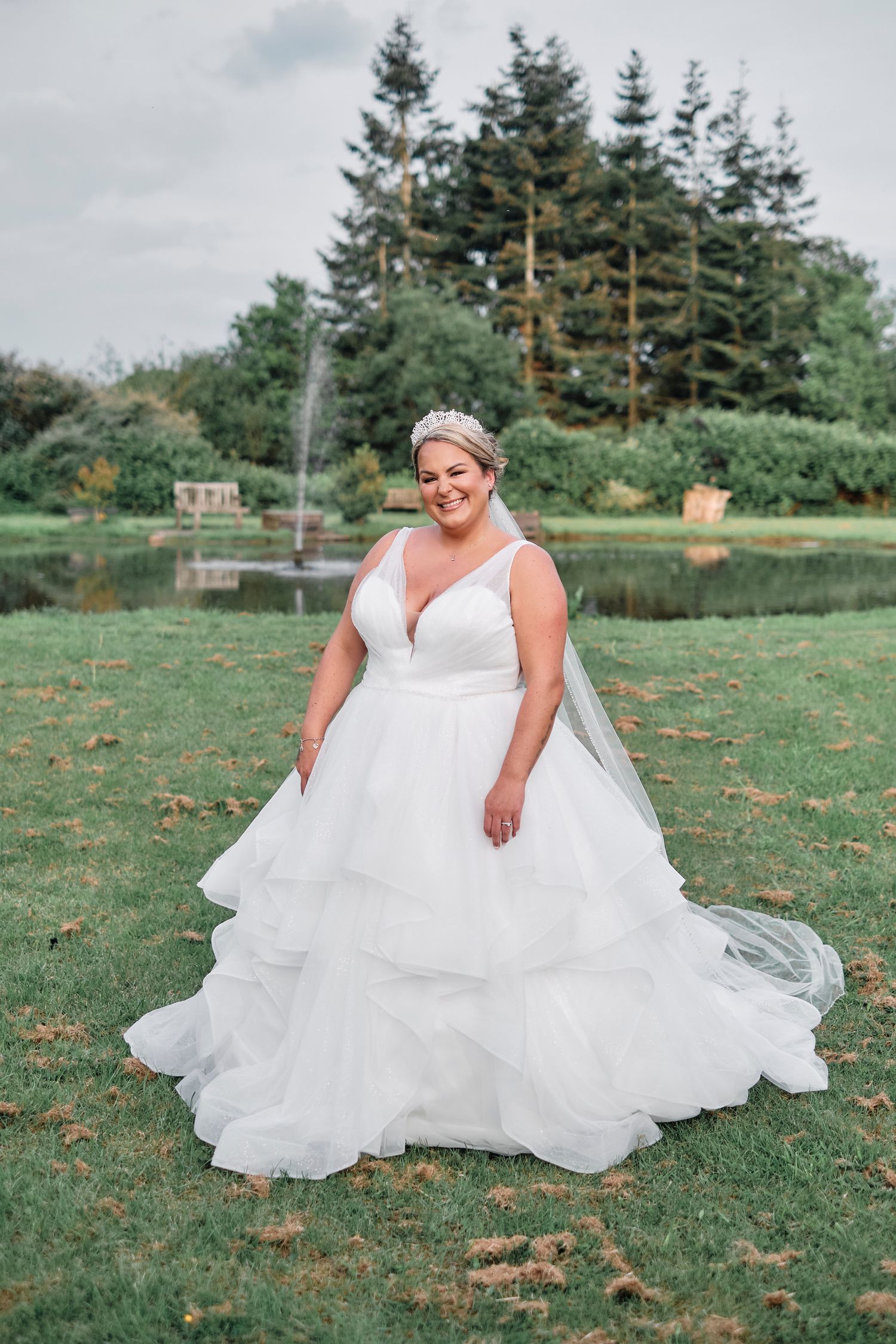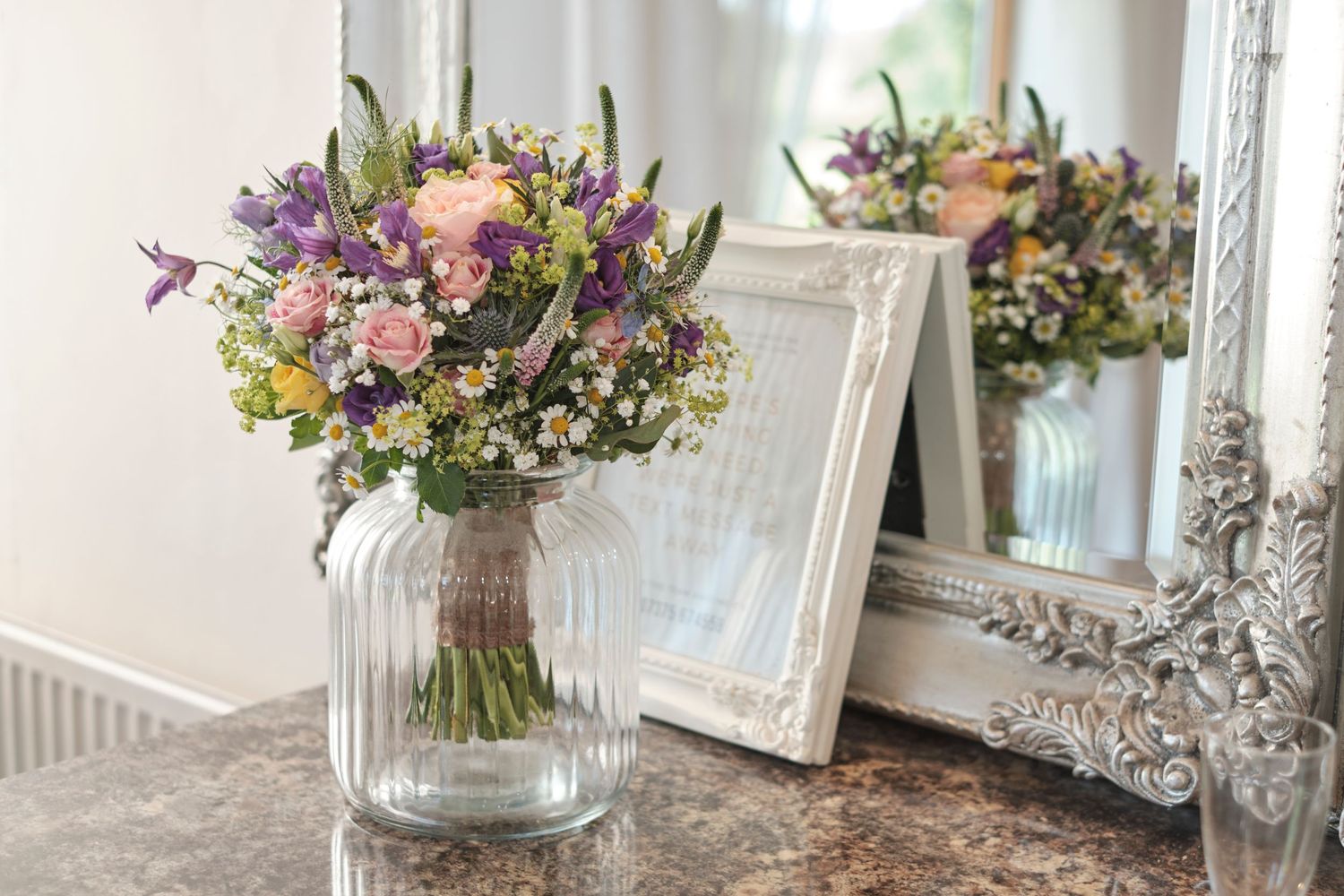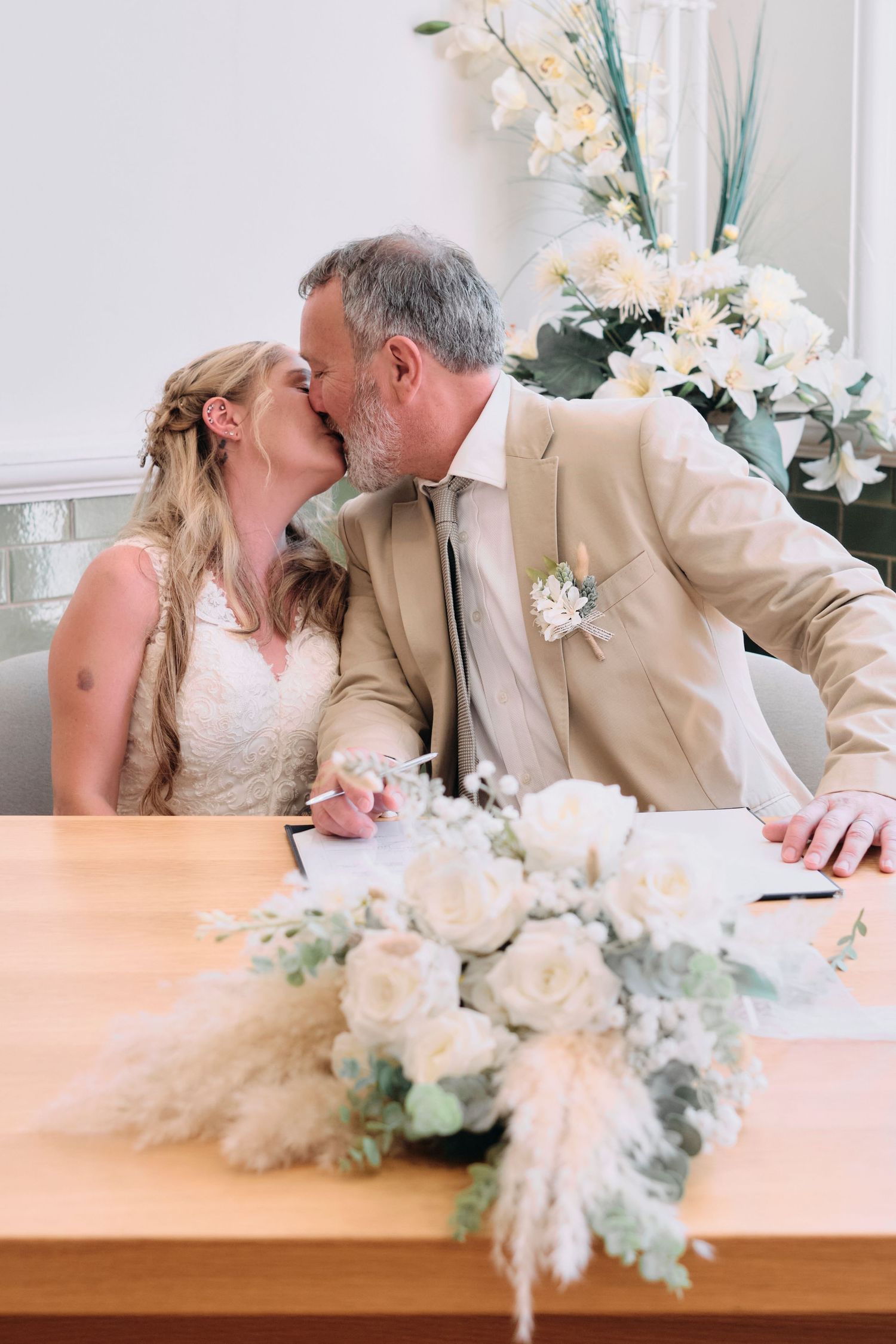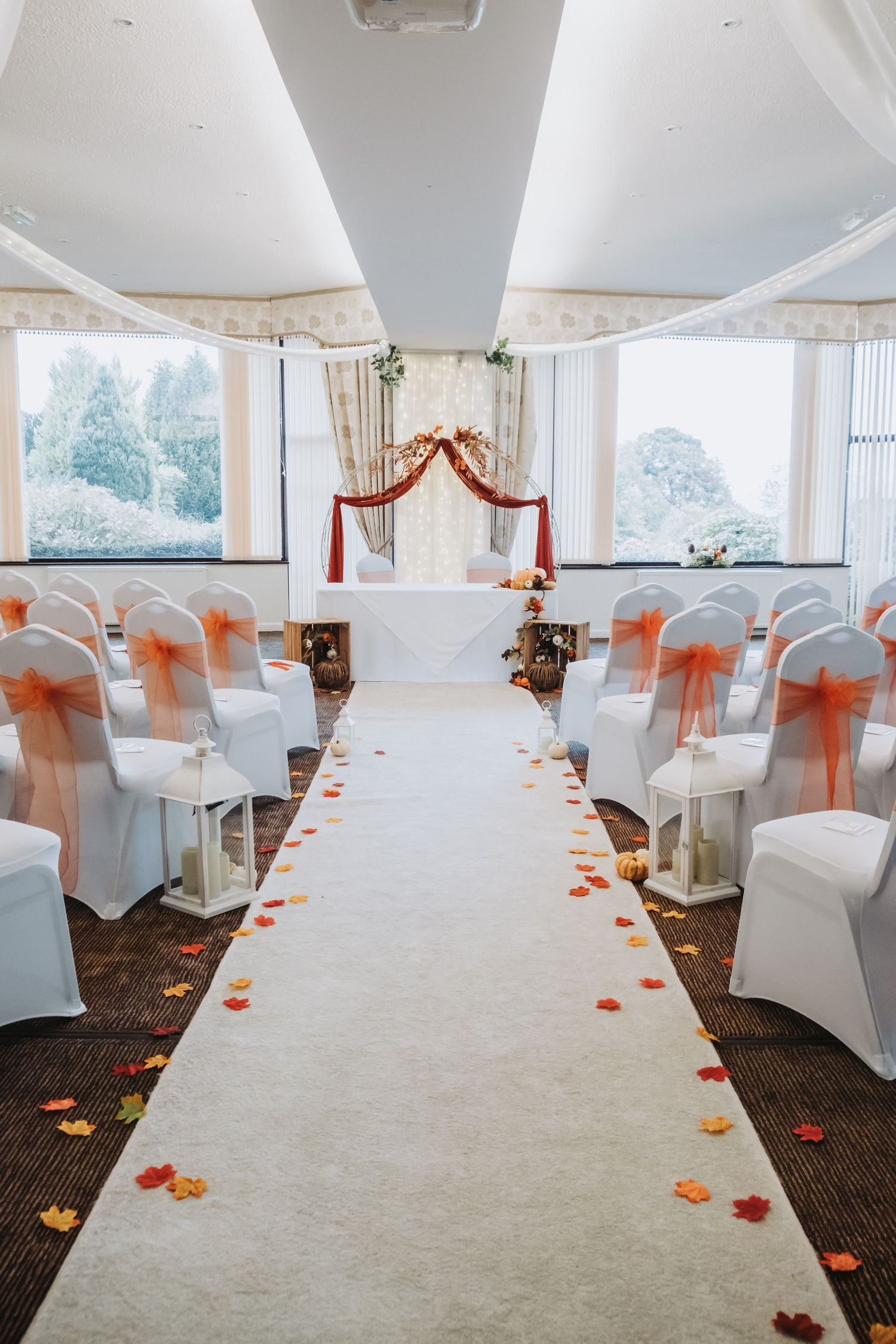

If you've found this page, you're probably weighing up your options for wedding photography and keep seeing the word "documentary" pop up. It sounds great in theory — natural, relaxed, real — but what does it actually mean for your wedding day? Here's a straightforward look at what to expect if you book a documentary-style wedding photographer, and why so many couples across the West Midlands are choosing this approach over traditional, heavily posed photography.
It Starts with Barely Noticing I'm There
The heart of documentary photography is observation, not direction. Instead of stopping the day every twenty minutes to arrange you into poses, I move quietly around the room capturing what's actually happening — your nan laughing at something your dad said, the flower girl refusing to wear her shoes, the look on your partner's face the moment you walk in. Most couples tell me that within the first hour, they've completely forgotten I'm there. That's the goal. The less you're aware of the camera, the more genuine your photos will be.
A Loose Timeline, Not a Rigid Schedule
Traditional photography often runs on a tight, photographer-led schedule: fifteen minutes for family formals, twenty minutes for couple portraits, and so on. Documentary photography works differently. I'll still get key group shots and a short portrait session with the two of you (this is one of the only times I will direct you — more on that below), but the rest of the day is led by what's actually unfolding, not a checklist.
This means I'll typically arrive during the getting-ready stage — hair, makeup, nervous energy, the quiet moments with parents — and stay through speeches, first dance, and into the evening reception, capturing candid moments as they happen.
Some Gentle Direction, When It's Needed
"Documentary" doesn't mean I never say a word. For group photos and a short couple's portrait session, I'll guide you — where to stand, how to angle yourselves toward the light — because even natural-looking portraits usually benefit from a small amount of steering. The difference is that this only happens for a small portion of the day. The rest is observed, not staged.
You Get the In-Between Moments, Not Just the Highlights
A huge part of what couples love about documentary coverage is that it captures the moments you'd otherwise never have a photo of: the walk between the ceremony and the venue, your granddad adjusting his tie, the relief and joy on your face right after you say "I do." These small, unrepeatable moments are usually what people treasure most once the big, obvious shots (first kiss, cutting the cake) start to blur together in memory.
Weather-Proof and Low-Stress
Because documentary photography doesn't rely on perfectly orchestrated poses or ideal lighting setups, it holds up brilliantly whatever the day throws at you — rain, low light, a chaotic dance floor. If anything, a bit of unpredictability makes for better photos. Some of my favourite wedding galleries are from days that didn't go entirely to plan.
What You Won't Get
To be clear about the trade-off: if you're picturing every guest lined up for individual formal portraits, or highly stylised, magazine-style posed shots throughout the day, documentary photography isn't going to deliver that. It prioritises authenticity over polish. Most couples who choose this style actively want that — but it's worth knowing upfront so your expectations match the outcome.
Is Documentary style Right for You?
If the idea of stopping your wedding day every half hour to pose for photos sounds stressful rather than fun, documentary photography is likely a great fit. It suits couples who want to actually be at their wedding — present, relaxed, and enjoying their guests — rather than performing for the camera.
If you'd like to see how this looks in practice, have a browse through some of my real wedding stories from venues across the West Midlands, or get in touch to chat through your day.